
How Weather Conditions Affect Asphalt Paving and Blacktopping
People seeking asphalt paving and blacktopping often want durable surfaces, and local contractors can help manage weather-related challenges to ensure a quality job.
Understanding how weather conditions affect asphalt paving and blacktopping is essential for property owners planning new installations or repairs. Temperature fluctuations, moisture levels, and seasonal changes can influence the quality and longevity of paved surfaces. Being aware of these factors helps property owners make informed decisions about timing and preparation, ensuring their investment withstands the test of time. Local contractors experienced in asphalt services can provide valuable guidance tailored to the area's climate, helping to optimize paving results regardless of weather challenges.
For those in the area considering asphalt or blacktopping projects, exploring how weather conditions impact these processes is a practical step toward successful outcomes. Weather can affect everything from the initial application to the curing and sealing stages, making it crucial to work with service providers who understand these dynamics. Connecting with local asphalt paving and blacktopping specialists ensures that projects are planned and executed with weather considerations in mind, leading to durable surfaces that meet property needs effectively.
- Asphalt paving - homeowners may need this service when extreme temperature fluctuations cause cracks, and local contractors can adapt their techniques to minimize weather-related damage.
- Blacktopping - property owners might seek blacktopping after heavy rain or snow, with local service providers using weather-aware methods to ensure a durable surface.
- Asphalt paving - in colder months, local pros often adjust their work to prevent issues like freezing and thawing that can compromise the pavement’s integrity.
- Blacktopping - during hot and humid conditions, local contractors focus on proper timing and material handling to prevent softening or uneven surfaces.
- Asphalt paving - contractors may be called upon to repair or replace pavement affected by weather-related wear, ensuring surfaces withstand future weather challenges.
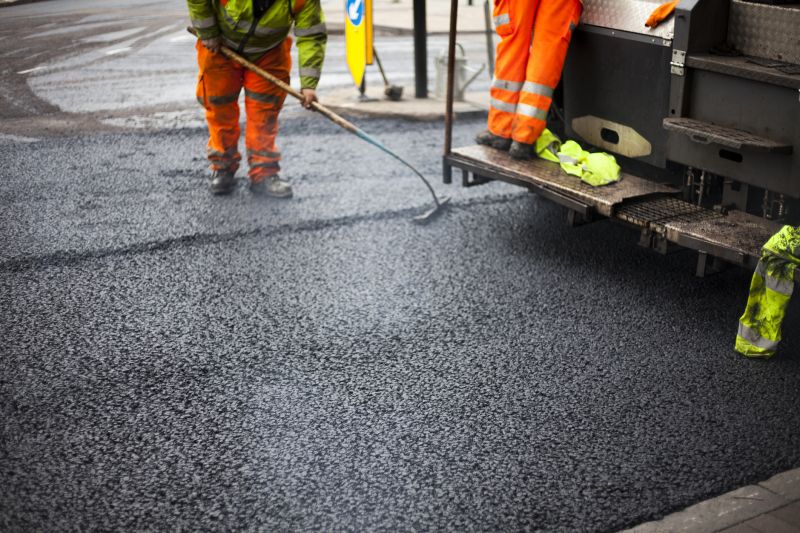
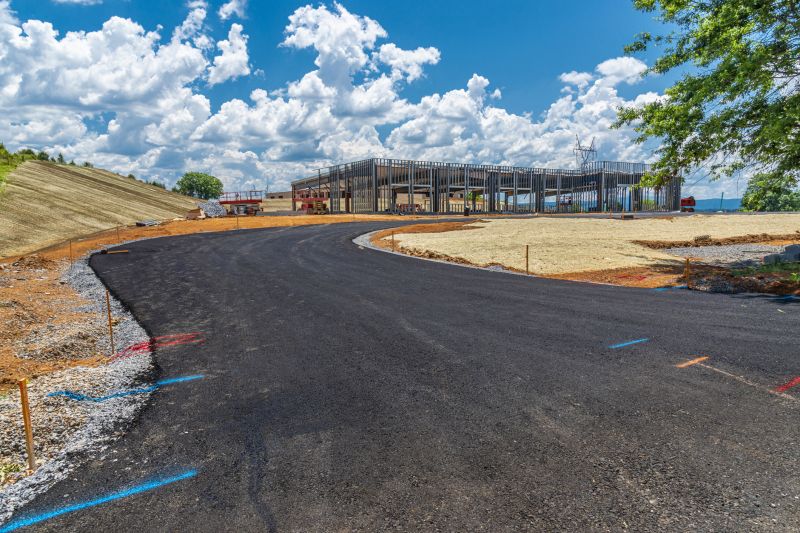
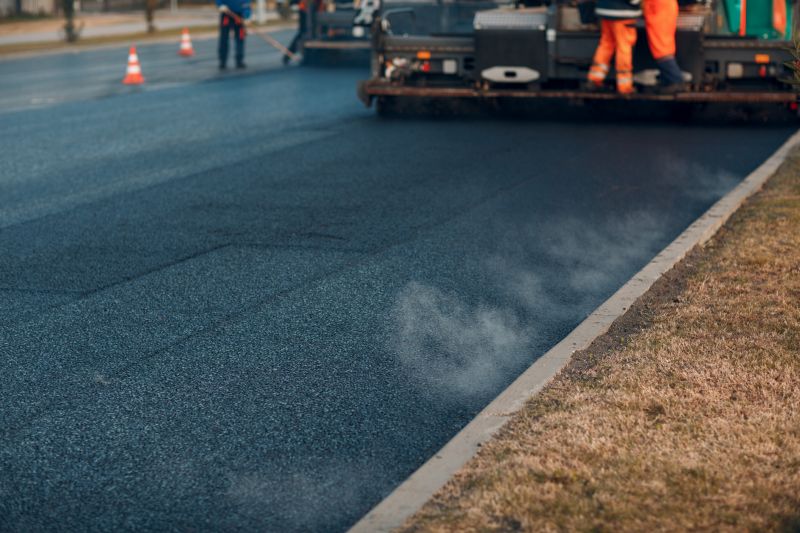
When people search for how weather conditions affect asphalt paving and blacktopping, they are often trying to understand how different climate factors influence the quality and longevity of their paved surfaces. Homeowners planning driveway replacements, parking lot renovations, or repair projects may be concerned about how upcoming weather patterns could impact the work or the durability of the finished surface. They want to know whether temperature fluctuations, moisture levels, or seasonal changes might cause problems like cracking, rutting, or premature deterioration. This understanding helps them make informed decisions about timing and selecting the right local contractors who can adapt their methods to weather conditions.
The topic relates closely to common problems encountered with asphalt surfaces, such as surface deformation, cracking, or even potholes. These issues are often linked to weather patterns that cause expansion and contraction or moisture infiltration. For example, extreme heat can soften asphalt, making it more susceptible to deformation under weight, while cold weather can lead to brittle surfaces prone to cracking. Planning blacktopping projects around weather conditions can prevent costly repairs later on. Homeowners and property managers also consider weather when developing long-term plans for their pavements, aiming to choose optimal times for installation or repairs to ensure the best results.
Properties that typically come up in discussions about how weather conditions affect asphalt paving and blacktopping include driveways, parking lots, sidewalks, and pathways. Residential properties often seek blacktopping for driveways, while commercial properties may focus on large parking lots or loading areas. These surfaces are directly exposed to the elements and thus experience the effects of temperature swings, precipitation, and seasonal changes more intensely. Local service providers are experienced in working with these different property types, adjusting their techniques based on the specific weather challenges each site faces. This tailored approach helps ensure the longevity and performance of the pavement despite weather-related stresses.
Understanding how weather conditions impact asphalt paving and blacktopping helps property owners plan projects more effectively. Timing work during favorable weather can prevent issues like improper compaction, uneven surfaces, or early deterioration. Local contractors are equipped to handle these challenges by adjusting their methods to suit current weather conditions, whether it involves delaying paving during rain or extreme cold or applying protective measures in hot weather. Knowing how weather influences asphalt work allows homeowners to better coordinate their projects, ensuring that their investments in paving are durable and long-lasting. Connecting with experienced local service providers can make a significant difference in achieving a quality, weather-resilient pavement.
Driveway Reconstruction - driveway reconstruction projects require careful planning around weather conditions that impact asphalt installation and curing processes, and local contractors can help manage these factors effectively.
Parking Lot Paving - parking lot paving involves precise surface preparation and asphalt laying, with weather considerations playing a key role in achieving durable results, which local service providers are experienced in addressing.
Roadway Resurfacing - roadway resurfacing projects depend on optimal weather conditions to ensure proper adhesion and longevity, and local pros can advise on timing and techniques for best outcomes.
Sidewalk and Curb Installation - installing sidewalks and curbs requires attention to weather patterns that affect asphalt work, with local contractors skilled in adjusting plans to weather variability.
Asphalt Repair and Patching - repair and patching tasks are sensitive to weather conditions that influence asphalt temperature and setting, and local service providers can perform these repairs under suitable conditions.
Sealcoating Services - sealcoating depends on weather conditions to properly cure and protect asphalt surfaces, with local pros capable of scheduling and applying coatings at ideal times.
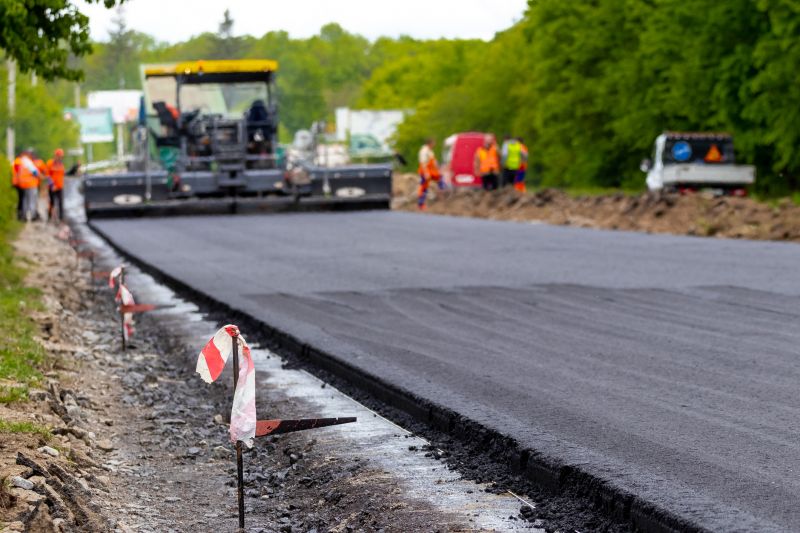
When evaluating asphalt paving and blacktopping service providers, it is important to consider their experience with projects similar to your own, especially in relation to how weather conditions affect asphalt work. A contractor with a history of handling paving in various weather scenarios will better understand how temperature fluctuations, humidity, and precipitation can impact the quality and longevity of the pavement. This experience ensures that they can recommend appropriate timing and techniques to mitigate weather-related issues, resulting in a more durable and properly installed surface.
Clear written expectations are crucial when comparing local contractors for asphalt paving and blacktopping services. A reputable service provider should be able to outline how weather conditions may influence the project timeline, preparation, and curing processes. Having detailed, transparent communication about these factors helps homeowners understand what to expect and ensures that everyone is aligned on the scope and potential weather-related considerations. This clarity can prevent misunderstandings and set the stage for a smoother project execution.
Reputable references and good communication are key indicators of a reliable service provider. When assessing local pros, it’s beneficial to inquire about past projects where weather played a significant role, and to seek feedback from previous clients about their experiences. Effective communication throughout the process allows homeowners to stay informed about weather-related updates or adjustments needed during the project. Choosing a contractor who values transparency and maintains open lines of communication can lead to a more successful outcome, especially when weather conditions affect asphalt paving and blacktopping work.
Property owners often search for how weather conditions affect asphalt paving and blacktopping when they are planning practical projects around their homes and businesses. Local pros provide Asphalt Paving and Blacktopping services for everyday jobs and straightforward project options.
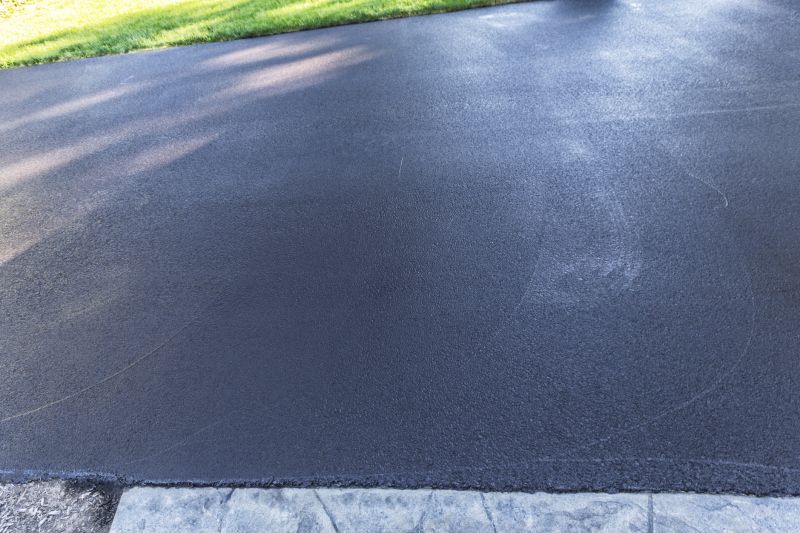
Weather conditions play a significant role in the success of asphalt paving and blacktopping projects. Extreme temperatures, whether hot or cold, can impact how asphalt is laid and how well it bonds to the surface underneath. For example, very hot days may cause asphalt to become too soft, leading to uneven surfaces or ruts, while cold weather can make asphalt brittle and difficult to work with, increasing the risk of cracks and other issues. Property owners often seek advice from local contractors to determine the best timing for paving projects and to ensure proper techniques are used to accommodate fluctuating weather conditions.
Rain and moisture levels are also crucial factors that affect asphalt and blacktopping work. Excess moisture can interfere with the compaction process, resulting in a weaker surface that is more prone to damage over time. Additionally, wet conditions can cause delays or compromise the quality of the finished surface if paving is attempted during unsuitable weather. Local service providers have experience managing these challenges and can help property owners plan projects around favorable weather conditions, ensuring a durable and long-lasting asphalt surface.
How do temperature changes impact asphalt paving and blacktopping? Temperature fluctuations can affect the curing process and the final surface quality. Local contractors consider weather conditions to ensure proper installation and durability of asphalt surfaces.
Can rain or moisture delay asphalt paving projects? Yes, excessive moisture can hinder proper compaction and bonding. Service providers typically monitor weather forecasts to schedule paving when conditions are dry enough for optimal results.
How does cold weather influence asphalt blacktopping? Cold temperatures can slow down the paving process and affect the asphalt's ability to properly bond. Local pros may adjust materials or timing to accommodate colder conditions for a quality finish.
Are there weather conditions that make asphalt paving unsafe or unadvisable? Severe weather such as heavy rain, snow, or extreme cold can compromise paving quality and safety. Experienced contractors evaluate weather patterns to determine suitable times for blacktopping projects.
How do weather conditions affect the longevity of an asphalt surface? Adverse weather, especially freeze-thaw cycles and moisture intrusion, can lead to cracking and deterioration. Local service providers design and install asphalt with weather-related challenges in mind to help extend surface life.
Timing of paving projects - understanding how weather conditions affect asphalt paving and blacktopping can help property owners choose optimal times for installation with local contractors. Temperature considerations - planning for hot or cold weather ensures proper asphalt compaction and reduces the risk of future cracks or damage. Rain and moisture impacts - avoiding paving during or immediately after rain can prevent moisture-related issues that compromise the blacktopping’s durability. Seasonal planning tips - consulting local service providers about weather patterns helps property owners schedule projects for the best results.
If you are thinking about how weather conditions affect asphalt paving and blacktopping for a property, this guide is meant to help you understand this topic, the typical project types, and how different options might fit your plans.
When you are ready, you can use the quote form on this page to share a few details about your project. From there, local pros can review the basics and follow up with options that match what you have in mind.